
"fruit in coffee"
51000 article(s) found

Processing of Fruit of Fruit of Fine Coffee
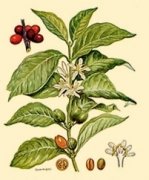
Coffee is the fruit of a Rubiaceae plant growing about 6000 feet above sea level, distributed on the world's narrow subtropical axis; coffee trees grow green all the year round and can grow up to 20 feet tall, and are generally controlled at 8 to 10 feet for easy harvest. It takes three to five years for the coffee tree to bear fruit. First of all, it produces small white flowers that resemble jasmine in shape and size, and then wither and bear deep fruit.

Cultivation techniques of small Coffee in Yunnan Province: harvesting and processing
Timely harvest is an important link to ensure high yield and improve product quality of coffee. The harvest time of small seed coffee is more concentrated, when the fruit turns red, it can be harvested. It should be picked along with ripening. After completely turning red, the fruit is easy to fall off. (9) Wet processing is generally adopted in processing. (1) washing fruit. Wash away the soil or sundries that stick to the fruit. (2) grading of fresh fruit. Turn the green fruit and dried fruit
A brief introduction to the basic knowledge of Coffee beans
There are about 60 species of coffee in the world, of which only 25 species are cultivated to make coffee, of which only 4 species are used as commercial coffee: large fruit coffee (Coffea liberica), medium fruit coffee (Coffea canephora), small fruit coffee (Coffea arabica) and high yield coffee (Coffea dewevrei). These are botanical names. Coffee in the world at present

How to choose the required materials for creative coffee
Fruit Taiwan has always been known as the kingdom of fruit, and there are many sweet fruits to eat all the year round, so fruit is the easiest ingredient for creative coffee, and when fruit ingredients are used, there is usually a problem of sour fruit, because the sour taste of coffee will often worsen the flavor of coffee, so try to use sweeter and richer fruit when matching it.
Basic knowledge of boutique coffee knowledge of fine coffee beans
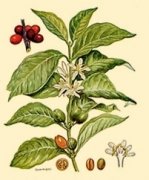
There are about 60 species of coffee in the world, of which only 25 species are cultivated to make coffee, of which only 4 species are used as commercial coffee: large fruit coffee (Coffea liberica), medium fruit coffee (Coffea canephora), small fruit coffee (Coffea arabica) and high yield coffee (Coffea dewevrei). These are botanical names. Coffee in the world at present
There are about 60 species of coffee plants in the world.
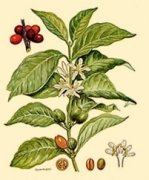
There are about 60 species of coffee in the world, of which only 25 species are cultivated to make coffee, of which only 4 species are used as commercial coffee: large fruit coffee (Coffea liberica), medium fruit coffee (Coffea canephora), small fruit coffee (Coffea arabica) and high yield coffee (Coffea dewevrei). These are botanical names. Coffee in the world at present

General knowledge of Fine Coffee explain the way to get beans from Coffee
The beans are sweeter when the coffee is picked after it is red and ripe. If coffee farmers in order to save trouble, no matter whether the coffee fruit is ripe or not, picking it together will make the coffee sour and astringent, so the fine coffee must choose the ripe red fruit. Distinguish between floating beans and sunken beans: coffee fruits picked from coffee fields should not be mistaken and must be sent to the processing plant on the same day. Immature
Basic knowledge of Fine Coffee the way of picking beans from Coffee Cherry
The beans are sweeter when the coffee is picked after it is red and ripe. If coffee farmers in order to save trouble, no matter whether the coffee fruit is ripe or not, picking it together will make the coffee sour and astringent, so the fine coffee must choose the ripe red fruit. Distinguish between floating beans and sunken beans: coffee fruits picked from coffee fields should not be mistaken and must be sent to the processing plant on the same day. Immature

Cultivation techniques of small Coffee in Yunnan Province harvesting and processing of coffee beans
Timely harvest is an important link to ensure high coffee yield and improve product quality. The harvest time of small seed coffee is more concentrated, when the fruit turns red, it can be harvested. It should be picked along with ripening. After completely turning red, the fruit is easy to fall off. (9) Wet processing is generally adopted in processing. (1) washing fruit. Wash away the soil or sundries that stick to the fruit. (2) grading of fresh fruit. Green fruit, dried fruit,
Freshly baked ing (1) fragrance of autumn fruits
That which does blossom in the spring will bring forth fruit in the autumn. Spring is the time for flowers to bloom, and autumn is the season for fruit ripening. Ming's freshly roasted coffee is also like the fruit of this autumn branch, which emits the fragrance of ripe fruit in the golden autumn sun. Today's five newly baked items: Kenya, Colombia, Ethiopia, Costa Rica and Bolivia. Two classic African beans, China and the United States

Introduction of Honduran coffee beans with rich and mellow taste and non-astringent and sour taste
High-quality coffee in Honduras uses water washing to deal with coffee beans, usually after soaking, when the defective fruit will surface, it can be discarded first. Then put the good fruit into the fruit peeling machine and peel off the peel with the rotating force of the machine. Peeled fruits are screened by machines to select fruits of high quality. Usually the bigger the fruit.

Points for attention in Coffee planting
When the fruit of the coffee tree is picked, the four layers of skin wrapped around the coffee beans need to be removed in order to finally get the coffee beans needed. The main methods to remove the outer epidermis of coffee beans are "wet treatment" and "dry treatment".
Harvesting and processing of small Coffee beans
Timely harvest is an important link to ensure high yield and improve product quality of coffee. The harvest time of small seed coffee is more concentrated, when the fruit turns red, it can be harvested. It should be picked along with ripening. After completely turning red, the fruit is easy to fall off. Wet processing is generally used in processing. (1) washing fruit. Wash away the soil or sundries that stick to the fruit. (2) grading of fresh fruit. Green fruit, dried fruit,
Coffee beans. There are about 60 species of coffee plants in the world.
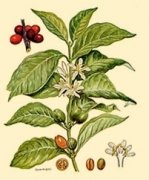
There are about 60 species of coffee in the world, of which only 25 species are cultivated to make coffee, of which only 4 species are used as commercial coffee: large fruit coffee (Coffea liberica), medium fruit coffee (Coffea canephora), small fruit coffee (Coffea arabica) and high yield coffee (Coffea dewevrei). These are botanical names. Coffee in the world at present
How to grow coffee berries and beans
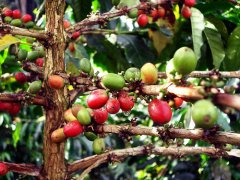
Coffee fruit is a berry, also known as comb fruit. Oval, 9-14 mm long, young fruit green, red at maturity, purplish red. Each fruit generally has two seeds, but also one or three, showing a semi-oval, there is a longitudinal groove, called grooves. This is the past life of coffee beans, there are coffee branches, leaves, fruits, as well as dissected pulp, seeds, roasted coffee beans. What we see every day

Introduction to the process of harvesting, production and processing from fruit to coffee bean
Treatment method 2 washing treatment method-1 washing and separating coffee beans: put the picked fresh coffee fruit into a pool to wash, separate the ripe fruit from the leaves, sundries, immature fruit and overripe fruit floating on the surface-2 remove the peel and pulp: the washed fresh coffee fruit is put into the peeling machine to remove the peel washing treatment method-3

Introduction to Chinese Coffee Plantation: exploring the Secret Coffee Plantation in Yunnan to decipher the Magic Fruit
Yunnan Coffee Plantation article: Yanxia Editor: milkshake in southern China, Yunnan, Taiwan, there is such a plantation, there are many beautiful, gorgeous red fruits, like cherries, beautiful seems to have some magic, can not help but pick some seemingly ripe fruit, taste, the seemingly attractive red fruit tastes like that

The process of basic knowledge of coffee beans from fruit to coffee bean
Coffee training basics-from fruit to raw coffee beans: a coffee tree can harvest 3-5 kilograms of fruit, and raw coffee beans account for 5% of the fruit quality. Going from fruit to raw coffee beans is really a time-consuming and laborious task. Arabica and Robusta Arabica coffee account for about 2% of the world's coffee production. The plant is not suitable for high temperature, low temperature, more rain and less rain.

Arabica hybrid variety Panamanian honey treatment Aishb coffee bean origin and development history
Kaduai also has the difference between red fruit and yellow fruit. Statistically, Hongguo Kaduai often wins prizes. Kaduai, Kaddura, New World and Bourbon are listed as the four main varieties in Brazil to be called "Tropical Rainforest Alliance certified coffee". In addition, part of the proceeds are also used for wildlife protection in tropical rainforest animal reserves. In terms of labor life and well-being, it is a pair of coffee with a good natural environment. And